
Material handling challenges don’t fit neatly into many standard equipment specifications. Some facilities may operate within unique physical constraints, production requirements, safety expectations, and automation environments that require specialized engineering expertise.
Autoquip has been the trusted leader in custom lift and material handling solutions for over 75 years. As an engineering-driven company, they focus on developing systems that prioritize safety, reliable operation, and peace of mind for clients across industries such as aerospace, automotive, distribution, manufacturing, and more.
From scissor lifts and vertical reciprocating conveyors (VRCs) to custom lifts and automation solutions, Autoquip’s engineering capabilities encompass all project phases, including structural design, safety system development, and installation support.
What Are Autoquip’s Engineering Capabilities?
Before diving into Autoquip’s engineering capabilities, customers need to know the difference between their standard equipment and engineered solutions.
A standard lift solution is designed around predefined specifications. It performs effectively when operating requirements closely match available configurations.
An engineered lift solution is developed specifically around an enterprise’s unique requirements. The engineering process evaluates operating conditions, load characteristics, travel requirements, safety considerations, workflow objectives, facility constraints, and integration needs before creating a customized solution tailored to the environment.
Engineering capabilities encompass far more than equipment selection. They involve the ability to analyze challenges, develop custom designs, validate performance, integrate systems, and ensure long-term reliability.
Autoquip’s engineering capabilities include:
Hydraulic Lift Engineering
Hydraulic systems are the foundation of many industrial lift applications due to their ability to generate significant lifting force while maintaining smooth, controlled motion. Engineering considerations include:
- Travel requirements
- Load capacity
- Duty cycle requirements
- Environmental considerations
- Load capacities
- Power unit selection
- Pressure requirements
- Redundancy planning
- Speed control
Hydraulic system design impacts lift performance, longevity, efficiency, and safety.
Mechanical Lift Actuation
Mechanical lift engineering may be the best solution when hydraulic systems cannot meet application requirements. Autoquip designs mechanical lifting systems for applications that require:
- Clean operation with no risk of hydraulic fluid leaks, making them ideal for clean rooms and contamination-sensitive environments
- Repeatable, programmable positioning for automated processes and precise load placement
- Multiple stopping points with accurate, consistent positioning at predetermined elevations
- Faster lifting and lowering speeds to support high-cycle production environments
- Seamless integration with conveyors, robotics, and other automated systems
Autoquip’s mechanical engineering expertise helps customers achieve the precision, reliability, and performance needed for demanding industrial applications.
Structural Integrity
Structural integrity is a critical component of every Autoquip lift design. Their team evaluates the forces, stresses, and operating conditions the equipment will encounter throughout its lifecycle. For high-capacity applications, Autoquip carefully inspects the lift structure to ensure it can safely support heavy loads while delivering optimal reliability and performance.
Design options include:
- Heavy-duty platform and frame construction
- Reinforced scissor legs and support members
- High-capacity load-bearing designs
- Custom platform sizes and configurations
Autoquip’s structural engineering expertise ensures lifting equipment performs safely and dependably, even in the most demanding industrial environments.
Automation & Control Systems
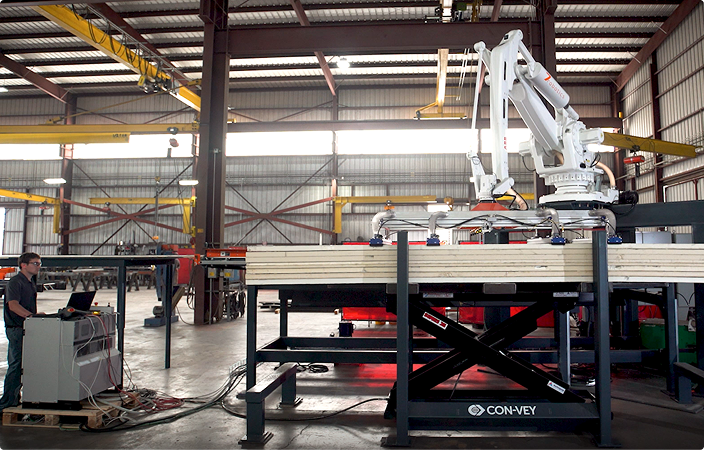
Autoquip designs integrated material handling solutions that coordinate lifting equipment with conveyors, robotic systems, production machinery, and facility-wide control networks to create seamless workflows tailored to specific application requirements.
Control capabilities include:
- Custom PLC programming and system architecture
- Automated product flow and process sequencing
- Integration with conveyors, robotics, AGVs, and manufacturing equipment
- Precision positioning and synchronized motion control
- Advanced sensor and feedback systems
- HMI development and operator interface design
- Safety circuit design and risk mitigation
- Data communication with plant-wide automation systems
Their team develops control strategies that optimize throughput, improve reliability, and reduce operator intervention.
Safety Features
Safety features are built into every lift Autoquip develops, including both standard and custom. Autoquip can also add extra safety features based on application requirements, including:
- Bevel and electric toe-guards
- Emergency stop buttons
- Foot-activated floor locks
- Hanging toe indicator skirts
- Light curtains
- Non-skid walking surfaces
- Safety-enclosure systems
- Safety guards and handrails
- Safety mats
- Up-stop valves
- Velocity fuses
Controls & Automation Integration
Modern manufacturing and distribution environments increasingly rely on automation. To better support customers in making their facilities smarter, Autoquip’s engineering capabilities and custom design options include system integration.
PLC Integration
Programmable Logic Controllers (PLCs) provide operational lift control coordination. These capabilities include:
- Alarm management
- Diagnostics
- Equipment communication
- Automated positioning
- Process control
- Sequencing operations
PLC integration enables lift systems to become active components within larger production workflows.
Autoquip's Engineering Process
Successful custom lift engineering follows a proven development process. Every application presents unique requirements, and Autoquip’s approach begins with understanding a customer’s specific challenges. They then develop a customized solution, validate performance, and ensure a flawless implementation.
Discovery & Requirements Gathering
All of Autoquip’s engineered solutions begin with understanding the customer application. Engineering teams work with stakeholders to gather information such as:
Site Conditions
Physical environments often create design limitations. Considerations include:
- Available floor space
- Ceiling height constraints
- Environmental conditions
- Existing infrastructure
- Pit requirements
- Traffic patterns
- Utility availability
Understanding the operating environment prevents costly design conflicts later in the project.
Load Requirements
Load characteristics influence nearly every engineering decision. Factors assessed are:
- Edge and slide load
- Lifting capacity
- Lowered and raised height
- Off-centered load
- Rollover load
- Travel
A lift designed for uniformly distributed pallet loads may require a completely different engineering approach than one designed to handle oversized assemblies or irregular equipment.
Workflow Challenges
Engineering solutions should enhance operational performance. Autoquip analyzes:
- Automation objectives
- Automation or precision requirements
- Environmental or compliance needs
- Equipment interactions
- Ergonomic concerns
- Labor requirements
- Material flow
- Production bottlenecks
- System or process integration
- Throughput goals
The resulting system is designed around operational outcomes rather than equipment specifications alone.
Concept Development & System Design
Once requirements are defined, Autoquip begins developing customized solutions. This phase transforms operational needs into functional system concepts.
Custom Configurations
Custom engineering allows lift systems to be configured around specific applications and needs. Among the benefits of Autoquip’s customized approach are:
- Tailored systems for specific loads
- Seamless integration
- Reinforced structures and premium components
- Supplemental safety features
The objective is to boost system functionality and operational performance.

CAD Modeling & Design Development
Autoquip uses SolidWorks® to develop detailed 3D models that allow engineers and customers to visualize equipment before manufacturing begins. This design process helps validate concepts, identify potential issues early, and ensure the final solution meets application requirements.
- 3D visualization of equipment and system layouts
- Design and simulation of assemblies and moving mechanisms
- Virtual testing and performance analysis before fabrication
- Integration of customer equipment into models for fit and function verification
- Creation of detailed manufacturing and approval drawings
- Evaluation of equipment interaction within the overall material handling system
By leveraging advanced CAD modeling tools, Autoquip can refine designs, improve customer collaboration, and reduce project risk before a single component is built.
Iterative Design Process
Complex projects require multiple design iterations. Autoquip collaborates with customers to evaluate:
- Alternative configurations
- Cost implications
- Future scalability
- Operational impacts
- Safety considerations
Iteration helps ensure the final solution supports project goals.
Engineering & Technical Validation
A concept is only valuable if it performs reliably under real-world conditions. Validation ensures designs meet functional, compliance, environmental, and safety requirements.
Structural Analysis
Engineering analysis verifies that equipment can safely withstand anticipated loads and operating conditions. Areas evaluated may include:
- Deflection
- Dynamic loading effects
- Fatigue resistance
- Load paths
- Stress levels
- Structural integrity
Validation mitigates risk and improves long-term performance.
Safety Features
Safety features mitigate risks and better protect personnel, equipment, and operating zones. Autoquip offers safety design options for increased safety requirements as determined by applications, such as:
- Audible signals
- Bevel and electric toe-guards
- Collision detection
- Emergency stop buttons
- Flashing lights
- Foot-activated floor locks
- Hanging toe indicator skirts
- Light curtains
- Non-skid walking surfaces
- Photoeye
- Safety-enclosure systems
- Safety guards and handrails
- Safety mats
- Safety wings
- Travel limit switches
- Up-stop valves
- Velocity fuses
Compliance Evaluation
Industrial lift systems often require adherence to established safety standards and workplace regulations. Depending on the application, engineering teams may evaluate requirements related to:
- ANSI standards
- Facility safety policies
- Industry-specific requirements
- Local code considerations
- OSHA regulations
Compliance supports safe operation and regulatory requirements.
Sensors & Intelligent Controls
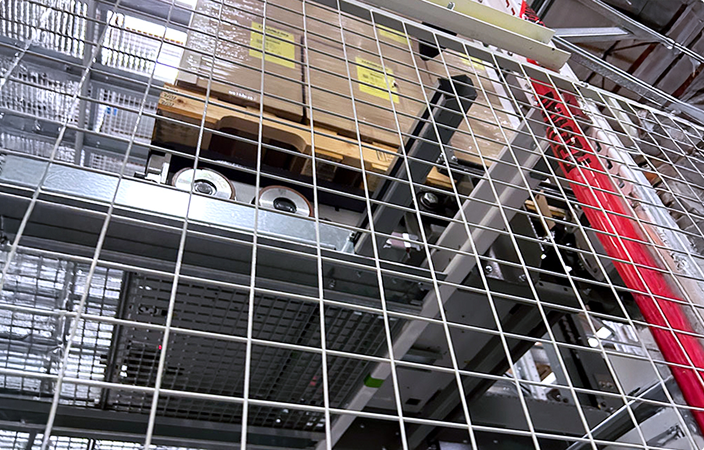
Sensors provide operational awareness and support automation through applications such as:
- Load verification
- Motion control
- Position detection
- Presence sensing
- Process confirmation
- Safety monitoring
These technologies improve accuracy and operational consistency.
System Integration
Lift systems frequently interact with multiple systems, such as ASRS, conveyors, production equipment, robotics, and warehouse management systems.
Engineers develop interfaces that enable systems to operate together efficiently, resulting in a coordinated material-handling solution rather than a standalone lifting device.
Fabrication & Implementation
Engineering doesn’t end when design drawings are completed. Successful execution requires effective manufacturing and implementation.
Manufacturing
Autoquip manufactures lift systems designed around project-specific requirements. Manufacturing capabilities support both standard and highly customized projects.
Support for Installation
Autoquip provides on-site lift installation support. Proper implementation ensures sustainable performance.
Warranty & Long-Term Support
Engineered systems are long-term investments for most customers. As such, Autoquip offers ongoing support for:
- Maintenance planning
- Performance troubleshooting
- Replacement components
- Technical assistance
Engineering decisions made during design can affect lifecycle performance and serviceability.
Visit the FAQ page for additional information on warranties.
Autoquip’s Core Engineering Capabilities
The company’s engineering expertise spans numerous categories and industries.
Custom Engineered Lifting Solutions
Autoquip’s engineers develop solutions around the application rather than forcing operations to adapt to standard equipment, resulting in benefits such as:
- Seamless integration
- Reinforced structures
- Advanced safety features
- Dependable performance
Vertical Reciprocating Conveyor (VRC) Solutions
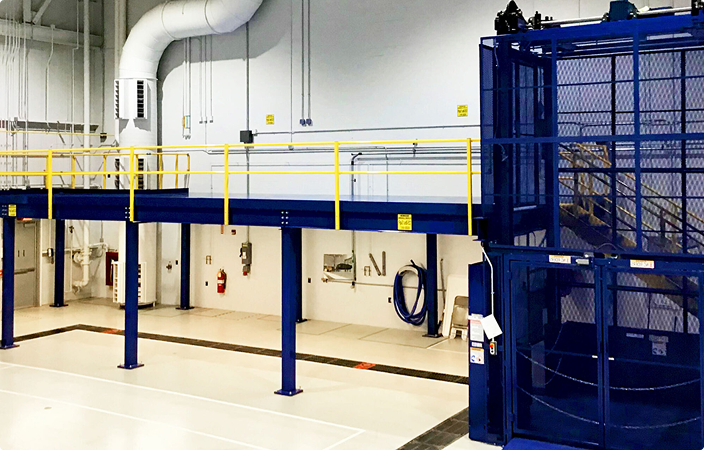
VRCs provide vertical transportation of materials between elevations for optimized efficiency, functionality, space savings, and safety. Autoquip’s VRC models include:
- Mechanical
- Hydraulic
- Straddle
- Cantilever
- 4 Post
- Freightlite
VRC systems can be integrated into highly automated material handling environments.
Automation & Systems Integration
Automation capabilities support modern manufacturing and distribution operations. Autoquip offers:
- Custom control panels
- HMI interfaces
- Real-time data integration with new or existing systems
- Built-in safety logic and diagnostics
- Configurable load control and motion profiles
- Industry-specific compliance and certifications
Scissor Lift Solutions
Autoquip offers more than 1,000 scissor lift designs and options. Among the top advantages of their solutions are:
- Capacities up to 135,000 pounds and travel over 40+ feet
- Full range of scissor lift configurations available
- Supports material handling, personnel access, and equipment transfer
- Options include high-cycle, heavy-duty, and mobile systems
- Designed for industrial, commercial, and cleanroom environments
Work Positioner Solutions
Ergonomic positioning systems help improve worker safety and productivity. Solutions include:
- Configurable controls for both basic and complex operational workflows
- Optional automation features with system feedback capabilities
- Tailored motion control setups to match application requirements
- Industrial-grade construction built for long-term durability
- Designed to support ergonomic practices and safety compliance
- Easily integrates with broader material handling systems
Autoquip focuses on reducing strain while improving access and workflow efficiency.
High-Capacity Lift Solutions
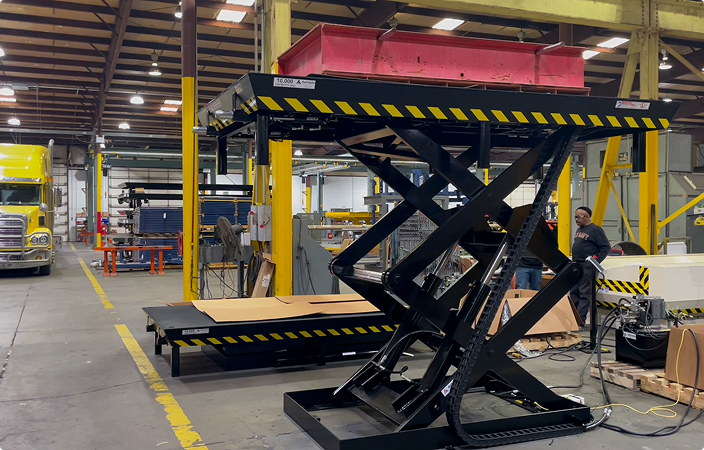
Heavy industrial applications often entail specialized engineering. Some of the advantages of partnering with Autoquip for high-capacity lift needs are:
- Handles oversized loads exceeding 300,000 pounds
- Heavy-duty steel construction with high-performance cylinders and components
- Built-in overload protection and integrated safety systems
- Custom platform sizing and engineered load distribution options
- Trusted performance across automotive, aerospace, defense, and industrial applications
These projects require extensive engineering analysis and validation, both of which Autoquip delivers.
Types of Systems That Autoquip Engineers
Autoquip’s solutions are designed to address diverse material-handling challenges across manufacturing, warehousing, and distribution environments. These systems improve safety, efficiency, and workflow performance while adapting to the specific needs of each application.
Vertical Reciprocating Conveyors (VRCs)
VRCs move materials vertically between levels while maximizing floor space utilization. These vertical conveyors are ideal for:
- Warehouses
- Distribution centers
- Manufacturing facilities
- Mezzanine access
- Automated storage systems
Scissor Lifts
Scissor lifts provide vertical positioning for materials, equipment, and personnel. Applications range from assembly support to production line integration.
Industrial Tilters & Turntables
Tilters and turntables improve ergonomic access and material positioning, providing benefits such as:
- Better access to work surfaces
- Enhanced safety
- Improved productivity
- Reduced manual handling
High-Capacity Lifts
Heavy-duty systems support large industrial loads that exceed the capabilities of conventional lifting equipment.
Work Platforms
Custom work platforms provide safe access to elevated work areas while supporting production requirements.
Dock Lifts
Dock lifts improve efficiency and safety at loading dock bays by bridging elevation differences between trailers and facility floors. They help streamline loading and unloading operations, reduce manual handling, and create a more controlled and stable transfer point for materials moving in and out of the facility.
Automated Material Handling Systems
Integrated systems combine lifting equipment with controls, automation, and material transport technologies to boost throughput and operational efficiency.
Industries & Applications
Engineering requirements vary considerably across industries. Autoquip has the knowledge, skills, tools, and technologies to develop solutions across numerous sectors.
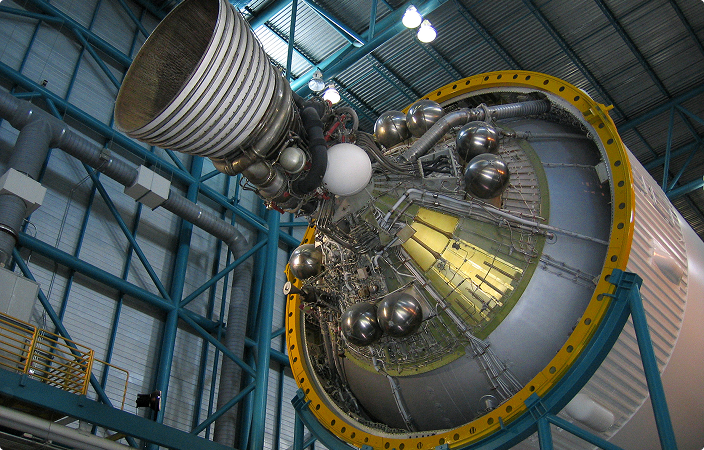
Aerospace
Aerospace manufacturing involves large, complex assemblies requiring precise positioning and safe worker access. Autoquip’s aerospace solutions include:
- Jet engine test cell lifts
- High travel work platform lifts
- Fuselage positioning lifts
- Satellite storage and launching lifts
- Lightweight personnel work platforms
- Jet engine assembly lifts
Automotive
Automotive facilities need high-throughput material-handling systems that integrate with automated production environments. Autoquip designs and manufactures the following lifting and handling solutions for automotive assembly, auto dealers, and repair shops:
- Vehicle display equipment, such as hydraulic scissor tables and/or powered turntables
- Vehicle maintenance and repair lifts
Manufacturing
Among the specialized equipment solutions that Autoquip has designed for the manufacturing industry are:
- Pacman tilters
- Double pantograph scissor lifts
- American single arm lift and tilts
Specialty Applications
Some projects involve hyper-specialized requirements that cannot be addressed using standard equipment, including:
- Data centers
- Energy facilities
- Research environments
- Highly specialized defense applications
- Custom manufacturing processes
Warehousing
Warehouses rely on the efficient movement of goods throughout facilities. Autoquip’s warehousing expertise includes:
- Below-grade pallet build-up lifts
- Bin and basket parts storage lift
- End of conveyor palletizing
- VRCs for mezzanine load transfer
- Parts picking lifts
- Shrink wrap lifts and turntables
Explore additional industry-specific solutions and application examples to see how Autoquip can best serve your organization.
Real-World Engineering Applications
Engineering capabilities are best demonstrated through real-world problem-solving.
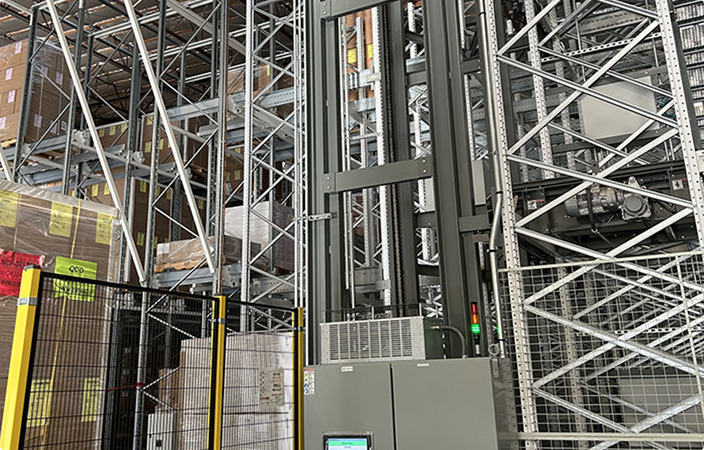
Automated VRCs for AGV Rack System Retrieval & Storage
Challenge
A manufacturing company needed a solution that could support automated guided vehicles (AGVs) in moving materials between multiple elevations while maintaining throughput and system reliability.
Solution
Autoquip developed automated VRC systems integrated with AGV operations, controls, and storage infrastructure.
Outcome
The resulting solution improved vertical material movement while supporting broader automation objectives within the facility.
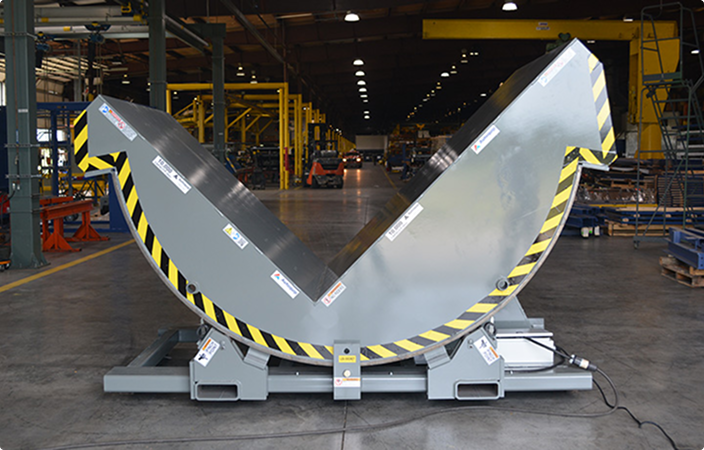
Custom Pacman Non-Intrusive Tilter
Challenge
The application required product positioning without interfering with sensitive materials or disrupting existing processes.
Solution
Autoquip engineered a specialized tilter system tailored to the customer’s handling requirements.
Outcome
The custom tilter enhanced accessibility and ergonomic performance while maintaining product integrity.
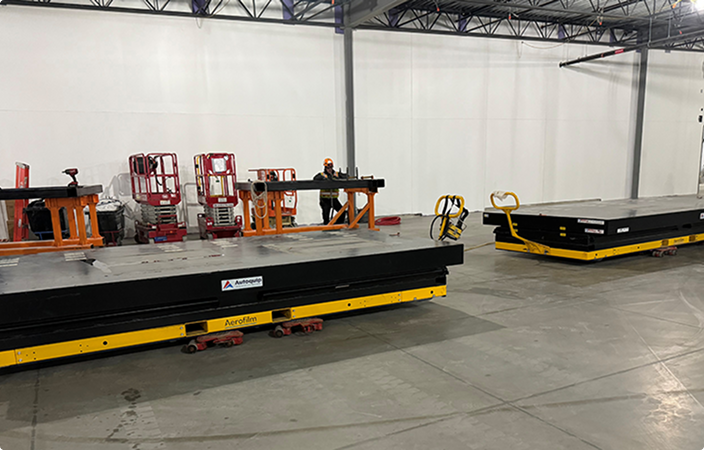
Precision Lifting Solution for Data Center Cooling Systems
Challenge
A data center required the precise positioning of cooling system components within a constrained environment.
Solution
Autoquip engineered a lifting solution capable of supporting accuracy, reliability, and facility-specific requirements.
Outcome
The completed system enabled safe and efficient installation and maintenance operations while addressing critical infrastructure constraints.
These examples illustrate a common theme: engineering begins with understanding the operational challenge and then developing a solution to address it.
When Do You Need an Engineered Lift Solution?
Not every application requires custom engineering. However, Autoquip’s engineered solutions are often the best choice for enterprises facing increased operational complexities.
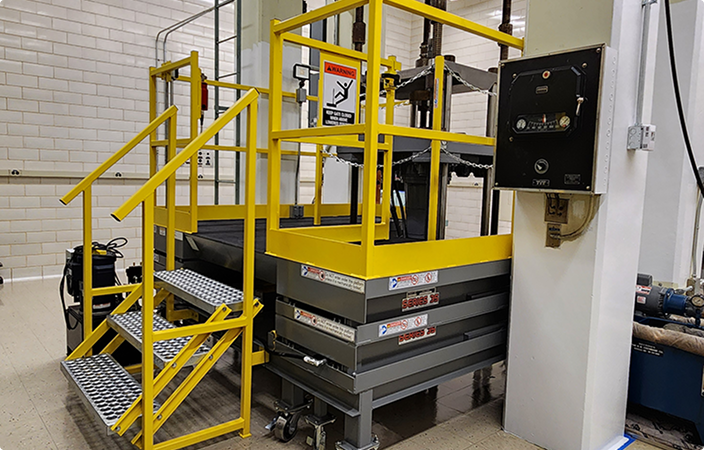
Complex Facility Layouts
Custom engineering may be necessary when facilities have:
- Limited space
- Unusual floor plans
- Existing infrastructure constraints
- Multi-level operations
- Specialized access requirements
Automation Requirements
Autoquip helps companies pursue automation initiatives and integrate all equipment for seamless interaction. Their engineered solutions can support:
- AGVs
- Robotics
- Conveyors
- Warehouse automation
- Smart manufacturing initiatives
Elevated Safety Requirements
Applications involving personnel access, hazardous environments, critical processes, or unique operating conditions may require customized safety strategies.
Non-Standard Loads
Engineering becomes essential when handling:
- Oversized products
- Irregular geometries
- High-capacity loads
- Delicate equipment
- Specialized fixtures
Productivity Improvement Initiatives
Many projects begin with a goal rather than an equipment specification, such as:
- Reducing bottlenecks
- Improving ergonomics
- Increasing throughput
- Minimizing manual handling
- Optimizing space utilization
In these situations, Autoquip’s engineering expertise helps identify the most effective solution.
Why Autoquip for Engineered Solutions
The best lift system providers have deep expertise and comprehensive capabilities. Autoquip is among the leading engineering partners for industrial lifting projects because of its:
More Than 75 Years of Experience
Decades of project experience provide valuable insight into:
- Industrial applications
- Material handling challenges
- Safety requirements
- Facility integration
- Long-term performance considerations
- Experience with a diverse range of industries
Experience informs engineering decisions throughout the project lifecycle.
Made in the USA
Autoquip’s engineering and manufacturing operations are based in the United States, providing direct control over quality, production consistency, and project coordination. This domestic foundation allows engineering teams to work closely with fabrication and assembly personnel, reducing communication gaps and improving execution accuracy from design through delivery.
U.S.-based manufacturing also supports faster collaboration during custom engineering projects, where design adjustments and application-specific refinements are often required.
Customers benefit from improved lead-time visibility, easier project coordination, and access to technical support throughout the system lifecycle.
Domestic production also helps ensure adherence to stringent quality standards, reinforcing reliability in demanding industrial environments.
Custom Engineering Approach
The company’s custom engineering approach is centered on designing solutions around the application rather than adapting operations to fit standard equipment. Every project begins with a detailed evaluation of workflow requirements, load characteristics, travel requirements, facility constraints, and integration needs. This ensures that each system is purposefully built to solve a specific operational challenge.
Engineering teams collaborate closely with end users to refine performance expectations, optimize system layout, and align design decisions with operational goals. This includes iterative development, where concepts are reviewed, adjusted, and validated before fabrication begins.
Autoquip’s approach results in a lifting system that fits precisely within the intended environment, supports efficient material flow, and delivers consistent performance throughout its service life.
Integration Capabilities
Modern industrial facilities require systems that work together. Autoquip’s integration capabilities focus on ensuring lift systems operate within a connected material-handling ecosystem. Engineering teams design controls and communication pathways that allow seamless interaction with conveyors, robotics, AGVs, and warehouse management systems. This enables coordinated movement of materials across multiple points in a facility without manual intervention or workflow disruption.
Integration is also available for safety and monitoring systems, where sensors, PLCs, and feedback loops are configured to support real-time decision-making and operational visibility.
By aligning mechanical design with electrical controls and software logic, Autoquip creates systems that synchronize with facility-wide production or distribution processes, improving efficiency, reducing handling errors, and supporting scalable automation strategies.
Proven Results Across Industries
Autoquip’s engineering capabilities are demonstrated through successful implementations across manufacturing, warehousing, aerospace, automotive, entertainment, heavy equipment, logistics, defense and government, paper printing, metalworking, specialty applications, and more.
These projects underscore Autoquip’s ability to solve complex operational challenges through customized engineering.
Supporting Resources
Businesses evaluating engineered lift systems often benefit from additional technical resources and examples of application.
Featured Case Studies
Advanced Ergonomic Work Platform System for the Aerospace Industry
Adaptable Workspace Solution: Overcoming Space Constraints with Flexible Work Platforms
Integrated Automated VRC System for Distribution Center
Recommended Reading
Get In Touch Today
Every facility has its own operational goals, physical constraints, safety requirements, and material-handling challenges. The best solution always begins with a conversation focused on the application.
Whether you’re evaluating a vertical reciprocating conveyor, an automated material-handling system, a custom scissor lift, an ergonomic work platform, or a highly specialized lifting application, Autoquip’s qualified team can help assess your requirements and identify the best path forward.
Request a consultation with our technical team to discuss your application, explore design options, and determine whether a custom-engineered lift solution can help improve safety, productivity, and operational performance.